Trezor.io/start: Your Complete Guide to Setting Up a Secure Crypto Wallet
Cryptocurrency offers financial freedom, control, and privacy, but it also comes with responsibility. Unlike traditional banking systems, crypto transactions are irreversible, and losing access to your private keys means losing your funds forever. This is why secure storage is critical. Hardware wallets provide one of the safest ways to protect digital assets, and Trezor is one of the most trusted names in the space. The official starting point for every new Trezor user is Trezor.io/start.
This guide will explain everything you need to know about Trezor.io/start, how it works, and how to safely set up your hardware wallet.
What Is Trezor.io/start?
Trezor.io/start is the official onboarding portal for Trezor hardware wallets. It guides users through installing firmware, downloading official software, and configuring security features.
Because phishing websites and fake setup instructions are common in the crypto space, it is essential to always use the official Trezor.io/start page. By typing the URL directly into your browser, you avoid malicious copies designed to steal recovery seeds or other sensitive information.
Why Trezor Wallets Are Secure
Trezor wallets are hardware devices that store private keys offline. Even when connected to a computer or smartphone, sensitive information never leaves the device.
Key security features include:
Offline storage of private keys, protecting them from malware
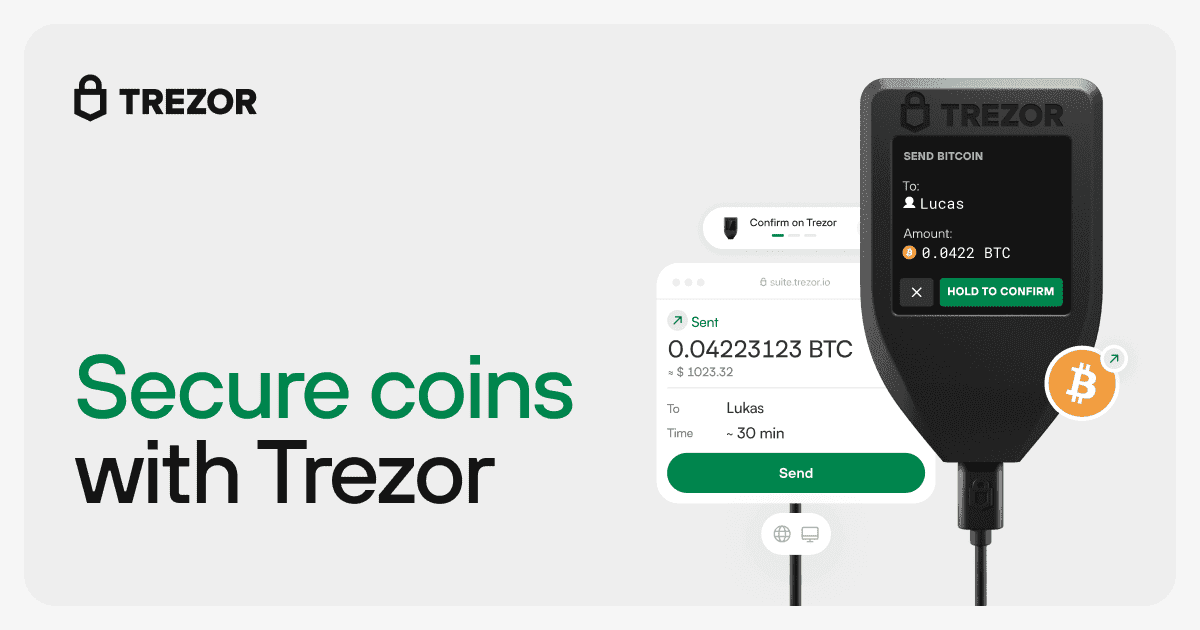
On-device transaction confirmation for accuracy and security
PIN code protection to prevent unauthorized access
Optional passphrase for enhanced privacy
Open-source firmware, regularly audited for transparency
Using Trezor.io/start ensures all these protections are activated correctly from the very beginning.
What You Need Before Setup
Before visiting Trezor.io/start, make sure you have the following:
A brand-new, factory-sealed Trezor device (Model One or Model T)
A secure computer or mobile device
A stable internet connection
The USB cable included with your wallet
Pen and paper for recording your recovery seed
Choose a quiet, private space where no one can see your screen or your recovery words. Avoid public networks and shared devices during setup.
Step-by-Step Setup Process
Step 1: Access the Official Page
Open your browser and type trezor.io/start manually. Do not use links from emails, advertisements, or social media.
Step 2: Select Your Device Model
Choose your specific Trezor model. Instructions will automatically adjust for Model One or Model T.
Step 3: Download Trezor Suite
Trezor Suite is the official application for managing your wallet. It allows you to view balances, send and receive crypto, and manage security features. Follow the prompts to install the correct version for your device.
Step 4: Connect Your Device
Use the supplied USB cable to connect your Trezor to your computer or smartphone. New devices do not include preinstalled firmware for security reasons.
Step 5: Install Firmware
Follow the on-screen instructions to install the latest firmware. This ensures your device is authentic and up to date with all the latest security features.
Recovery Seed: Your Wallet’s Most Critical Backup
During setup, your Trezor will generate a recovery seed—12, 18, or 24 random words. This seed is the only way to restore your wallet if the device is lost, stolen, or damaged.
Key guidelines for recovery seed safety:
Write the words down in the correct order
Keep the backup offline in a secure location
Never take photos or store the seed digitally
Never share it with anyone
Your recovery seed is the ultimate backup for your cryptocurrency. Without it, there is no way to regain access to your funds.
PIN and Passphrase Protection
After recording your recovery seed, create a PIN code to prevent unauthorized access if your device is physically stolen.
Trezor also supports an optional passphrase, which creates additional hidden wallets. This adds another layer of security and privacy, especially useful for users holding larger amounts of cryptocurrency.
Managing Your Assets
Once setup is complete, Trezor Suite becomes your dashboard for managing digital assets. The wallet supports a wide range of cryptocurrencies, including:
Bitcoin (BTC)
Ethereum (ETH)
Litecoin (LTC)
Cardano (ADA)
Polygon (MATIC)
Thousands of ERC-20 tokens
Trezor wallets also integrate with third-party applications, allowing advanced features like staking, decentralized finance (DeFi), and token swaps.
Common Mistakes to Avoid
Even with a hardware wallet, user errors can lead to permanent loss of funds. Avoid:
Entering recovery seeds on websites or apps
Buying pre-used or preconfigured devices
Ignoring firmware updates
Storing backup phrases digitally
Trusting unsolicited messages claiming to be support
Remember, Trezor will never ask for your recovery seed, PIN, or passphrase.
Why Trezor.io/start Is Essential
Trezor.io/start is more than a setup page; it’s a security checkpoint. It confirms your device is genuine, firmware is authentic, and your wallet follows best practices. Skipping this step or relying on unofficial guides increases the risk of phishing, misconfiguration, and permanent loss of crypto assets.
Final Thoughts
Setting up your Trezor wallet through Trezor.io/start is the safest way to secure your cryptocurrency. From firmware installation to recovery seed creation, each step is designed to protect your assets and ensure full control.